
AI – is it good or bad?
By now, most of us have heard of AI. Whether you’re an expert or a beginner when it comes to using it, there’s no denying that artificial intelligence (AI) is changing the world we live in. AI has rapidly evolved from a futuristic, innovative concept to a feature of our everyday lives. Modern technology assists us in almost everything we do and if you own a smartphone, you have access to AI 24 hours a day. From answering a quick question, to designing you a logo for your new small business, AI can assist humans in completing tasks quicker than ever. It’s transforming how people work, communicate and create. It’s saving time, energy and costs. However, it’s also clear that AI poses several risks and understanding the pros and cons of using it, especially in business, can help you to make informed decisions about how and when to use it.
One of the great benefits of AI is the efficiency of it. Its ability to generate answers instantaneously gets work done quicker. Businesses can use it to process large amounts of data, generate reports, organise information and streamline operations. This gives us humans the time and space to engage in customer service, support and creativity. It’s also great at identifying trends in information. This is just one example of how AI has made significant contributions to medicine and healthcare. AI can analyse medical images and information, perhaps identifying an illness earlier. Additionally, it can assist in medical research, help in diagnosing illnesses and monitor patients. There’s no denying that these advances in healthcare could save lives, time and money. It also offers its users enhanced safety precautions and can help to reduce human error. It can provide predictive maintenance, can identify equipment failures and respond to cyber threats more quickly.
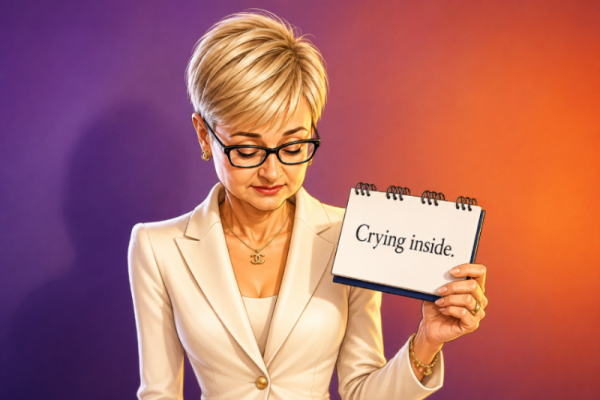
When it comes to being a business owner, many of us know how utterly all-consuming this can be. However, AI can take those small tasks that keep mounting up, out of your hands and can allow you to focus your time and energy where it really matters. Yet, there are mistakes that business owners can make when using AI and it’s important to address these head on. For example, when promoting your website and services, it’s likely you will use images. Humans are programmed to respond to images and that’s why they’re used so often in advertising. Unfortunately though, humans can also quickly detect when something doesn’t ‘appear right.’ Slight discrepancies in a person’s facial appearance can become obvious. Most AI generated media, including human faces, can look artificial. This is because robots are not humans. When a human smiles, we smile with our whole face, not just our mouths. We have little lines that appear around our eyes, our cheeks and our chin, yet, AI often mistakes this by thinking we only smile with our mouths and can create an image that just looks fake. Remember this when you’re creating AI images and consider how you would want a potential client to view your business online.
Do you want to appear genuine and authentic or careless and disingenuous?
Recently, I have seen several people using AI online to create headshots and ‘profile pictures.’ The truth is though, most of us can tell when this has been done. It’s normal to want to enhance appearances occasionally, perhaps using small amounts of makeup, good lighting and a nice filter but there is a difference between subtle enhancements and a completely artificial image. If you’re using AI to change how old you look, to make you look slimmer or to create a headshot that was never taken in the real world, it’s very likely your clients will be able to tell.
This then leads us on to the question of authenticity. Here at Scott Media, we always talk about how people buy from people. We like to know when we’re paying for a service that we’re investing in a human being and someone that can be trusted, so consider this when creating AI images. You want to appear online as yourself and it’s important that your clients know who they’re talking to.
AI poses several social, ethical and legal concerns too. It’s easy to talk about the benefits of AI when things work, but what about when things go wrong? How AI is being used can be a grey area in the law and this is being debated all over the world. It doesn’t have the ability to ‘read between the lines’ and make difficult decisions. AI does what it’s programmed to do. This can lead to bias, inaccurate information and potentially dangerous and harmful content being spread online. There are several cases in the news about people who’ve sadly lost their lives due to harmful messages being sent to them online, assisted by AI. As with any social media platforms, these websites use algorithms to determine what users are interested in and will generate more media involving things that have been liked, watched and followed. However, AI can’t distinguish between a happy image of a kitten and a terrible image that shouldn’t be online in the first place. It will just generate more of the same content. An example of this would be the devastating case of Molly Russell, who sadly lost her life at 14 years old, due to content being generated and sent to her online, assisted by AI.
This begs the question, where does AI stop and when should humans intervene?
Compared to other forms of technology, AI is, in many ways, still in its infancy and there is much to be learned about how it must be monitored and what safety regulations must be put into place. The future of AI depends on technological innovation but also on responsible development and human regulation. More needs to be done to protect its users and keep everyone safe online. Here at Scott Media, we believe AI is a great tool intended to support and assist in the workplace, not to replace humans. Ultimately, it’s up to you to decide if AI is good or bad, but whatever you decide to do, make sure you learn to use it properly and be as transparent with your clients as possible. After all, nobody is perfect and that’s what makes us human.