
Award Timeline: How To Turn Real Wins Into Credibility, Visibility, Press Coverage And Growth in 2027
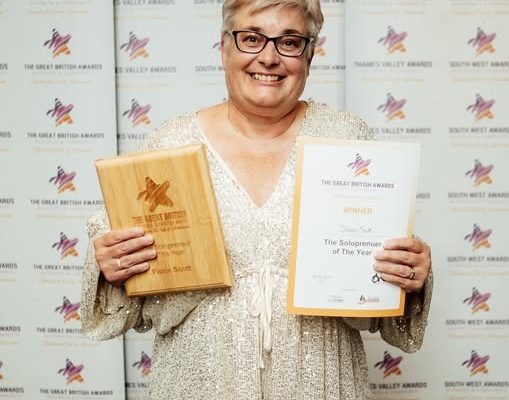
You can win an award, get a gong and still see your diary stay stubbornly empty and usually it’s your fault.
This is because you’ve assumed people will just ‘know’ without realising that recognition which lands in isolation, with no plan for how you will use it in sales conversations, on your website or in the press.
In this guide, we show you how to treat Award Timeline: Editorial Wins and Their Impact as a joined-up plan, so you do not miss deadlines, waste entry fees, or lose momentum after the shortlist. You will leave with a practical timeline, an evidence pack structure, and a straightforward way to turn third-party credibility into steady visibility and growth.
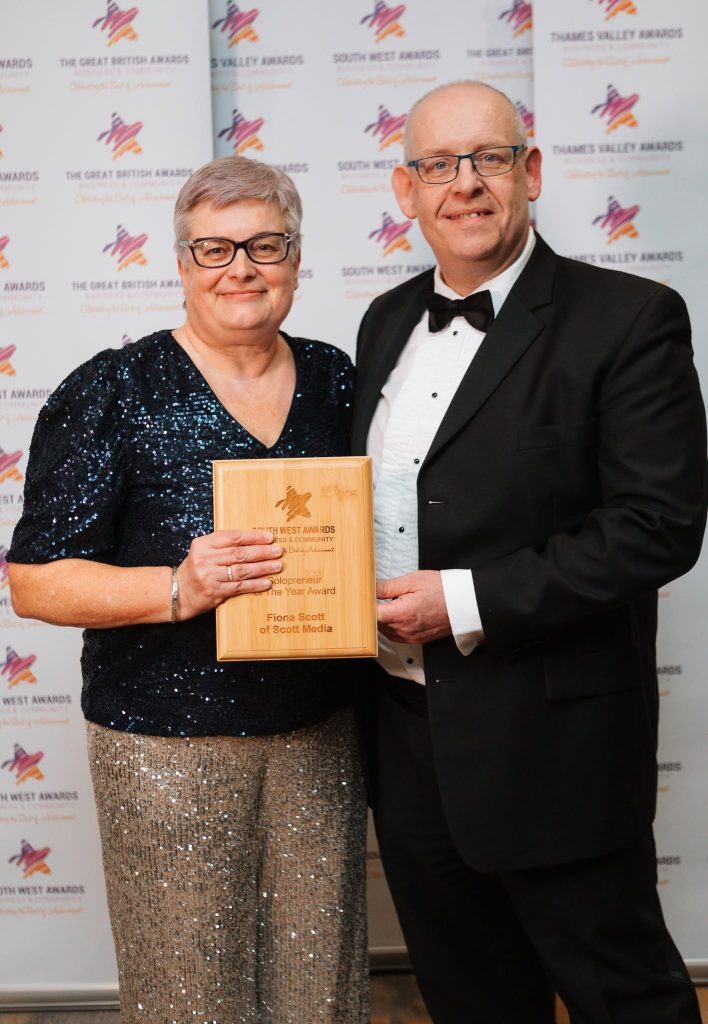
Key Takeaways
Aligning award timelines with editorial opportunities creates a powerful credibility engine that boosts visibility and business growth.
Maintain a comprehensive evidence pack with clear metrics and testimonials to support award entries and editorial stories effectively.
Plan editorial actions at every award milestone to maximise impact, from submission through to post-win usage.
Select awards and publications strategically using criteria to ensure recognition aligned to your business goals.
Use a coordinated 12-month timeline to manage award cycles, ensuring timely asset preparation, communication, and follow-up activities.
Why Awards And Stories Belong Together
If you treat awards as a once-a-year scramble and editorial as ‘nice if it happens’, you create gaps which are expensive in time and money. You pay entry fees, spend late nights writing submissions, and then forget to brief your team or line up a media hook when the shortlist drops and you are shortlisted.
Awards and editorial wins belong on one timeline because they serve the same core job: third-party validation. Judges validate your work through a structured process: journalists may then validate your relevance by choosing you over other stories that day. When you coordinate, you stop relying on luck and start building a repeatable credibility system for future award entries.
Here is what changes when you run them together:
Your award entry can become a press asset – by entering you’ve started gathering the kind of information which can be used in any press release if you are shortlisted.
Your shortlist becomes a timely news peg. A finalist announcement gives you a clear reason to email a trade title, update LinkedIn, and brief partners and share without sounding random.
Your win becomes proof, not noise. If you already have a case study, metrics, and a customer quote ready, you can talk about the impact which led to the trophy.
How Award Cycles Work
Missing an award deadline feels like a small admin mistake yet it often costs you a full year of visibility in that category. Most credible awards run on fixed cycles, and the best editorial opportunities sit around the points where organisers publish shortlists. So if you miss one year of credible awards – put dates in your diary for the next year so you don’t miss out on that opportunity for visibility and credibility again.
A typical award cycle looks like this (and you can plan media outreach, social media and blog and/or video content alongside it):
Category research and eligibility checks (2–4 weeks). You confirm dates, criteria, entry format, and whether you have the results to back up your claims.
Entry preparation and submission (3–6 weeks). You gather evidence, draft relevant answers following the brief to the letter, get approvals, and submit before the deadline.
Judging period (4–10 weeks). Some awards do interviews or request extra material: many do not contact you at all so always add supporting documentation at the earliest opportunity. If the option is there take it.
Shortlist/finalist announcement (usually a set date). Organisers publish a list and often provide finalist logos or guidelines. If you are shortlisted this is the first point at which you can do media outreach with a fabulous up to date picture of the relevant person or team. Ensure it’s in colour, a jpeg, landscape aspect and at least 1mg in resolution.
Winner announcement/event (set date). This may be an event, an online announcement and the organisers may do a ‘group’ press release (this does not mean you should not send out your own media outreach)
Post-win usage (ongoing, 12+ months). This is where most businesses leave value on the table. They don’t gently remind people about the award win in their boiler plate for subsequent media outreach, or put it in any blogs, or use any logo on their email signature or on any printed marketing material. Why not? Make the most of that investment of time and money.
How do you choose the ‘right’ awards for you?
When you shortlist awards score each option against three questions:
Fit: Will the title or award matter to the people who decide to buy from you? For example, a regional business award might influence local partnerships, while a trade award can open doors with procurement teams. Look at your business goals as this will also help. Companies can often diss local awards without considering if geography is one of their main routes to market. A good rule of thumb is one local set of awards or regional and one sector or trade set of awards. Once you’ve won a local one, look regional and then national. Once you’ve won a few, consider moving on to being a sponsor or a judge.
Proof: Can you prove your claims with numbers, names, or independent validation? If the category expects year-on-year growth and you only have anecdotes, pick a different category or wait a year. You need to prove impact and to follow the category brief rigorously. You also need to plan to attend any event or gala to make any win into a ‘moment’ for you and your team.
Reach: Will the organiser or publication actively promote finalists and winners, or do they only post a list on a quiet webpage? Look at last year’s coverage to find out. Many awards’ organisers provide templated press releases and also encourage participants to talk about being shortlisted and winning.
How to avoid fake awards:
Before you spend time or money, be alert to the fact that there are many ‘fake’ awards which are not credible and are, in fact, an excuse to get you to buy expensive advertising packages for visibility on a ‘no name’ website. Be diligent.
There are some very key red flags – if you ‘ve not entered an award but you get an email saying you’ve won – it’s fake.
If you are told someone’s nominated you and it’s not clear ‘who’ or it’s a ‘panel from the organiser’ and not transparent – it’s fake.
If you are told you have to pay for a logo, a certificate, or can buy an ad package but you do get a ‘free listing’ – it’s fake.
Look for:
Transparent judging criteria
Named judges or a reputable panel
Evidence of past winner outcomes.
Evidence of past real world event or gala evening.
A voting process for shortlists or winners which is clear and transparent (some say voting for winners is not valid, we at Scott Media disagree with this, it’s great to get your circles to vote for you and many awards do this but check that all details are cleaer at the outset.
A clear editorial audience, such as a recognised trade publication with the right readers.
Building Your Evidence Pack For Judges And Journalists
A weak evidence pack is the hidden reason many strong businesses fail at awards and struggle with coverage. You know you do great work, but when someone asks “what changed because of it?”, you do not have the numbers, screenshots, or third-party proof ready.
Your evidence pack is one folder (or workspace) you can reuse for award entries, press replies, podcasts, and partner conversations. Build it once, then update it every quarter.
As a minimum, include:
Challenge and objective: what was broken, by how much, and what you set out to achieve ie. impact.
Strategy and implementation: what you did, when you did it, and what you changed
Your contribution: what you personally or organisationally did, especially if you are part of a bigger project.
Story Assets: Images, Bios, and Case Studies
A journalist works to a deadline, and a judge scans at speed. If your assets are messy, you lose attention.
Build a simple “media kit” set that you can attach or link to quickly:
Two bios: a 50-word version and a 150-word version, both with your role, niche, and one proof point.
Headshots: one formal, one relaxed, both high-resolution and clearly named
Approved quotes: three short quotes you can use for shortlist and win announcements, each tied to a customer outcome.
Case studies: one-page write-ups with and one named testimonial where possible.
Brand basics: logo files, colour guidance, and correct business name spelling.
Converting Recognition Into Growth Without Looking Self-Congratulatory
The fastest way to waste an award is to talk about it like a medal you want applause for. People do not dislike recognition: they dislike posts that make them do the work of figuring out why it matters.
To convert recognition into growth, you need to frame it around impact, learning, and customer benefit.
Put a win or short-listing where decisions happen
A badge on your website footer rarely changes buying behaviour. Place the recognition in assets that buyers actually use:
Proposals: add one line in the credibility section plus a two-sentence mini case study.
Sales calls: mention it once, then move straight to “what we delivered” and “how we measured it”.
Speaker bios: use it as a qualifier for why you should be on the stage.
Hiring: include it in job ads to strengthen employer brand, especially if the award reflects culture, training, or inclusion.
Conclusion
If you want recognition to change your business, awards are a great tool to use however you need more than a great entry and a hopeful wait. You need one joined-up award timeline that links deadlines, assets, editorial pitches, and sales activity, so each milestone creates a useful next step.
Frequently Asked Questions
Why should awards and editorial wins be managed together in one timeline?
Awards and editorial wins both provide vital third-party validation. Managing them together ensures that each award milestone triggers media outreach, maximising visibility and credibility without relying on luck or creating gaps in your publicity efforts.
What are the key stages in a typical award cycle and where do editorial opportunities fit?
A standard award cycle includes category research, entry submission, judging, shortlist announcement, winner reveal, and post-win usage. Editorial opportunities are best aligned with shortlist, finalist, and winner announcements to leverage timely news hooks for greater exposure.
How can I choose awards and publications that truly support my business growth?
Evaluate opportunities using a filter which ensures the awards are not ‘fake’ and fit your business goals: ensure the award matches your target audience, verify you have measurable proof for your claims, and check that the organiser actively promotes finalists and winners to maximise your visibility.
How can I convert award recognition into tangible business growth without seeming self-congratulatory?
Frame your achievements by linking work to measurable impact and customer benefits. Place recognition in buyer-facing assets like proposals and sales conversations, and maintain authenticity with the right tone of voice – always ‘humble and grateful’ never ‘boasting’.
What is a practical way to plan and manage award and editorial campaigns throughout the year?
Use a reusable 12-month timeline that defines goals, prepares evidence and assets, aligns editorial pitches with award milestones, and plans post-win activities. This systematic approach prevents missed opportunities and helps maintain steady, credible visibility aligned with your business capacity. And once you’ve won in very key awards, to maintain a role within that consider applying to be a judge and/or a sponsor (depending on the awards’ criteria) and you will also get media outreach opportunities from taking those roles too. Passing the ladder back down carries editorial opportunities.